- Sourdough basics
- techniques
Your first sourdough loaf, start to finish helo
A calm two-day plan for a crackly, open-crumbed loaf, with exact weig hello hts, timings and what the dough should feel like at every stage.
 Walter Braandt4 2 min read
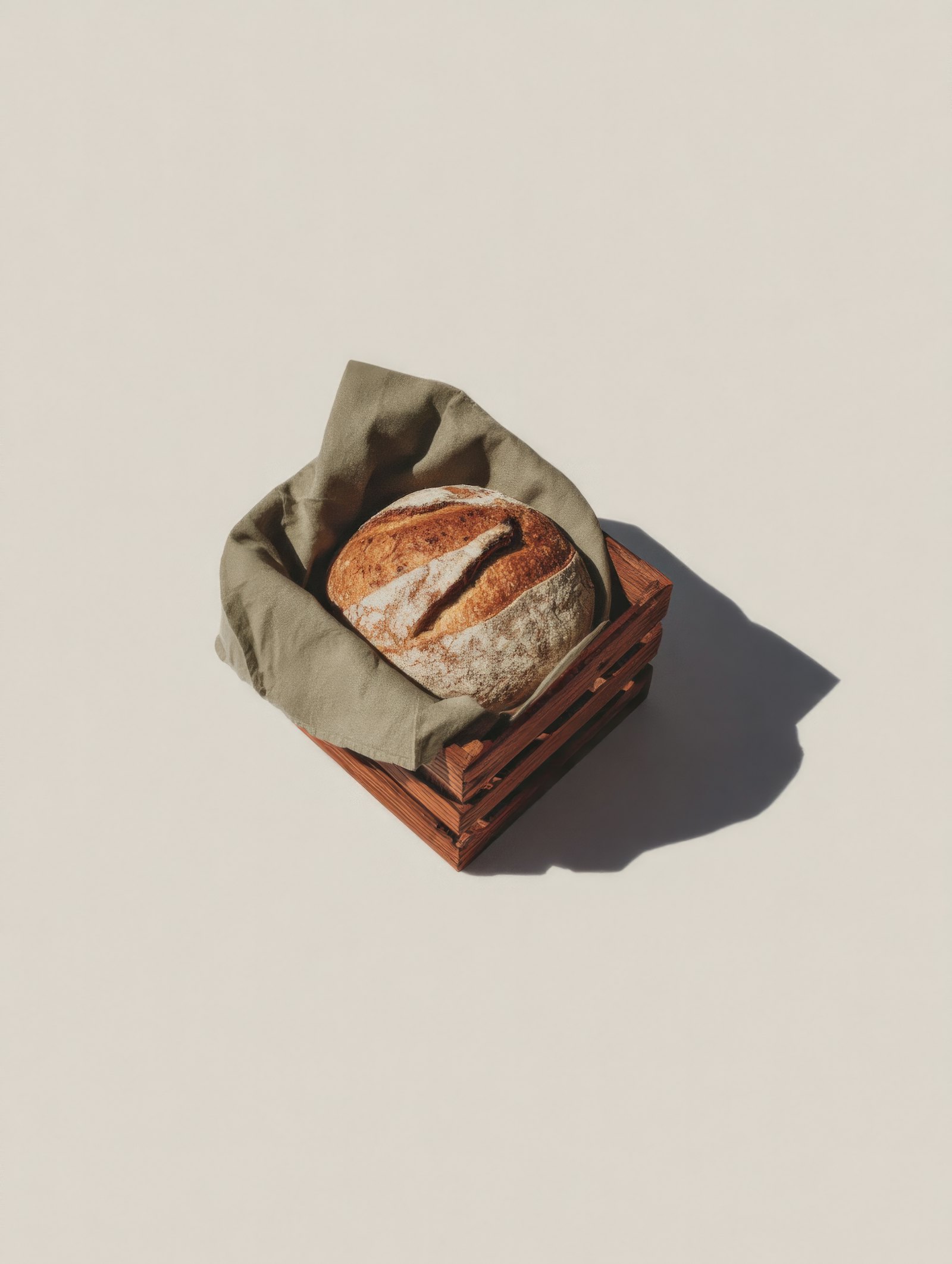
Your first loaf does not need special flour, a proofing box or a schedule built around the dough. It needs a lively starter, a scale and two unhurried days. This is the method we teach at our kitchen table, written so you can follow it with flour on your hands.
Day one: mix and build strength
Feed your starter in the morning and use it at its peak, when it has roughly doubled, smells pleasantly sour and a spoonful floats in water.
- Mix both flours with 350 g of the water until no dry bits remain. Cover and rest for 45 minutes. This rest, called the autolyse, hydrates the flour and makes the dough easier to work.
- Add the starter and squeeze it through the dough, then add the salt with the last 25 g of water.
- Over the next two hours, do four sets of stretch and folds, 30 minutes apart. Lift one side, stretch it up, fold it over, turn the bowl and repeat four times.
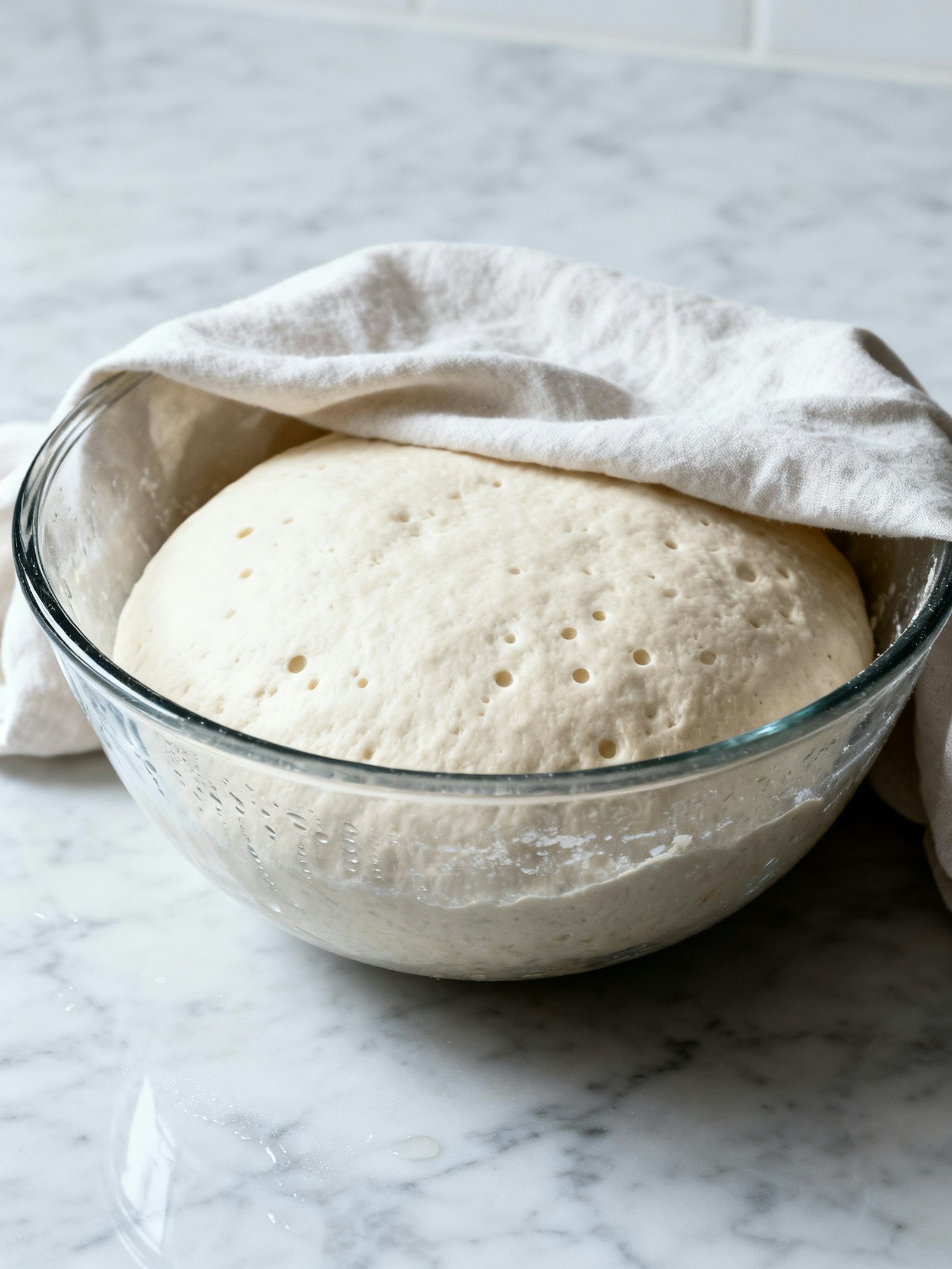
- Leave the dough to rise until it has grown by about half, looks domed and jiggles when you shake the bowl.
Shape, then let the fridge do the work
Tip the dough onto an unfloured counter, pre-shape it into a loose round and let it rest for 20 minutes. Shape it tightly, set it seam side up in a floured banneton and refrigerate it overnight, 12 to 16 hours. The cold slows fermentation, deepens the flavour and makes the dough much easier to score.
Watch the dough, not the clock. A warm kitchen moves faster than any schedule, and a cold one slower.
Day two: bake
Heat the oven to 250°C with the Dutch oven inside for 45 minutes. Turn the cold dough onto parchment, score it once along its length and lower it into the pot.
| Stage | Oven | Time |
|---|---|---|
| Lid on | 250°C | 20 minutes |
| Lid off | 230°C | 20 to 25 minutes |
| Cool on a rack | Off | At least 1 hour |
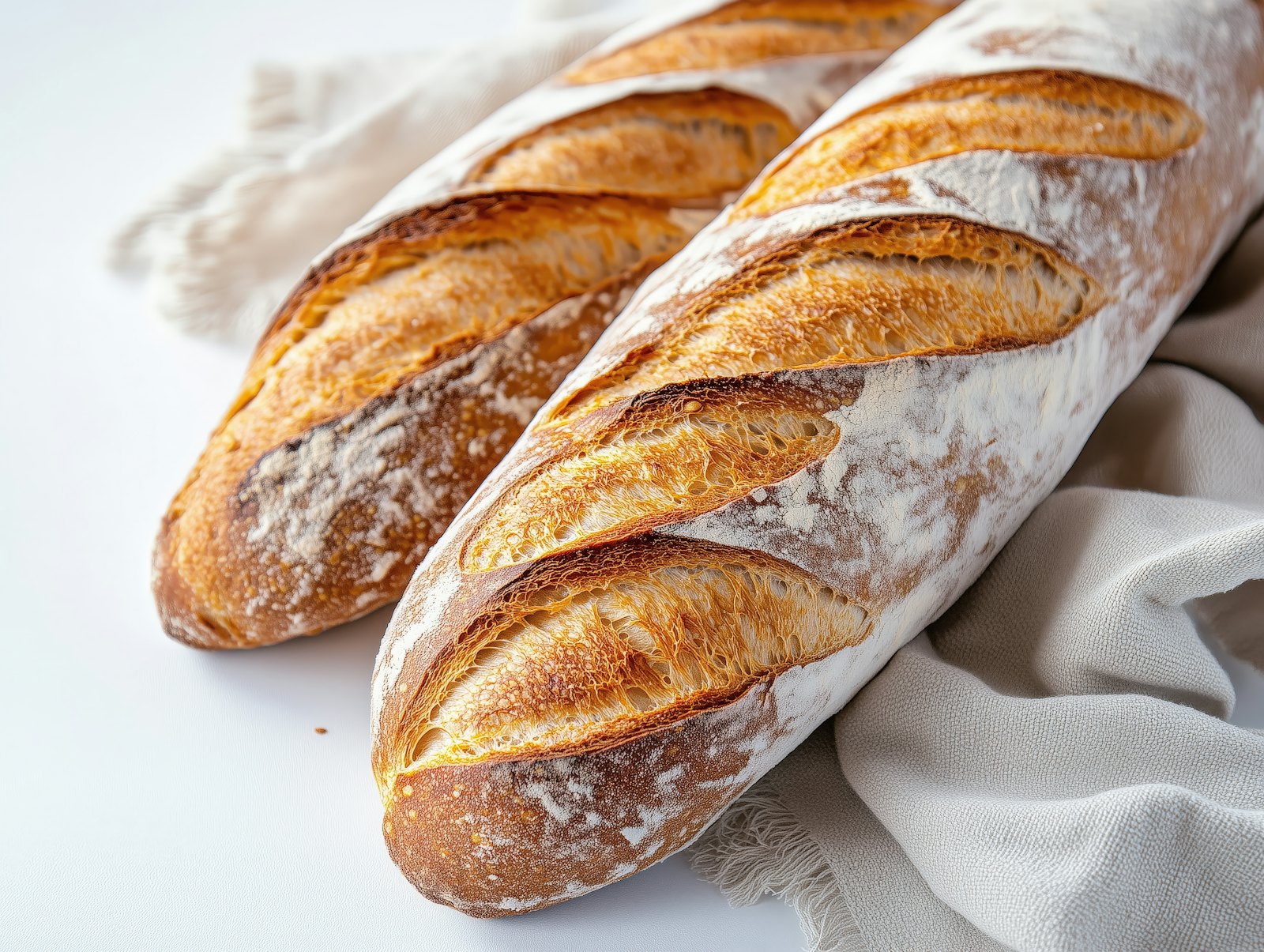
Bake until the crust is a deep brown, darker than feels comfortable. Pale loaves taste flat. Then wait the full hour before slicing, because the crumb is still setting as it cools.
Kitchen testedLast baked
Written by
Walter Braandt
Head baker
Walter baked for forty years in his family's bakery before turning his home kitchen into a classroom. He writes the methods here and tests each one at least three times before it goes up.